Smartphone habits start at home: Why a family phone lock box matters more than school bans
The UK government has announced plans to introduce a legal ban on smartphones in schools in England, marking a major shift in how student phone use is regulated, as reported by BBC News.
While schools are tightening restrictions, a bigger question remains:
Are smartphone habits actually formed at home?
Children aged 5–15 now spend over five hours per day on smartphones—most of it outside school hours. This suggests the root of the issue isn’t just in classrooms, but in everyday home routines.
That’s where solutions like a family phone lock box can play a practical role in creating consistency beyond school rules.
Smartphone habits are formed at home, not school
Research consistently shows that children are exposed to smartphones earlier than ever, often in early childhood, with usage rising rapidly across the UK.
Key findings include:
- Around 1 in 4 children show signs of problematic smartphone use (The Guardian)
- Around 1 in 5 older teenagers display problematic smartphone behaviour linked to addiction-like patterns (The Times)
- Children aged 8–14 spend around 3 hours online per day on average, with older teens reaching up to 4 hours daily
More recent UK data shows that total daily screen time for children aged 5–15 now averages well over 4 hours per day, with smartphone ownership continuing to rise sharply in younger age groups.
Excess screen time has been linked to reduced attention, weaker memory development, and disrupted sleep patterns. One of the biggest concerns is not just total usage, but the constant, habitual checking behaviour built throughout the day.
Put simply: smartphone habits are not formed in school alone — they are shaped primarily in the home environment, where most screen time actually happens.
Why school phone bans only solve part of the problem
School smartphone restrictions may improve focus during the day, but they only address a fraction of total screen time.
Schools cannot control:
- Morning phone use before school
- Evening and bedtime scrolling
- Weekend and holiday usage
This creates a fragmented system where children experience strict rules at school but unrestricted access at home.
Without consistency, behaviour change becomes harder to maintain.
The impact of unstructured phone use at home
Without clear and consistent boundaries, excessive smartphone use at home can affect several key areas:
Sleep disruption
Late-night scrolling delays sleep and reduces sleep quality.
Mental health
Higher screen time is linked to emotional dysregulation, anxiety, and behavioural challenges in young people.
Cognitive development
Research from University College London shows that excessive screen exposure in early childhood is associated with reduced vocabulary development and weaker cognitive outcomes.
Family conflict
Many parents report daily arguments over screen time, particularly around homework, meals, and bedtime.
Why rules alone don’t work for screen time
Most families already try setting rules such as:
- No phones after 9pm
- No phones at the dinner table
- No phones in bedrooms
However, these rules rely on constant enforcement, reminders, and negotiation.
The real issue isn’t awareness—it’s consistency.
Without a structured system, even well-intentioned boundaries are difficult to maintain long term.
What is a family phone lock box?
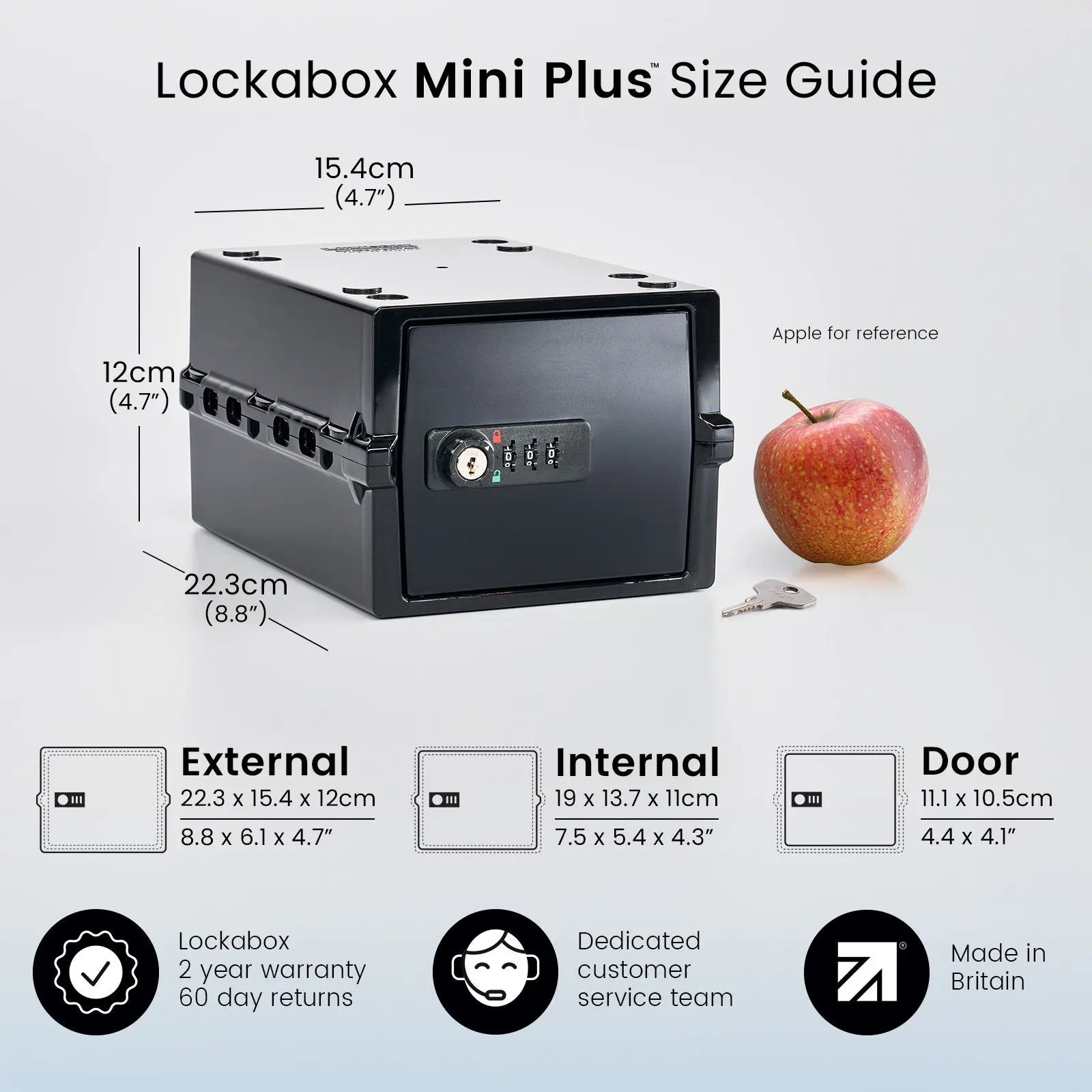
A family phone lock box is a simple, physical storage system designed to securely store smartphones during agreed times of the day.
Instead of relying on willpower, it introduces structure and removes daily negotiation.
Phones are typically stored during:
- Homework and study time
- Family meals
- Evening wind-down routines
- Bedtime
Across the UK, families are using a family phone lock box to support:
- bedtime routines
- improved focus during homework
- digital detox evenings
- reduced social media distraction
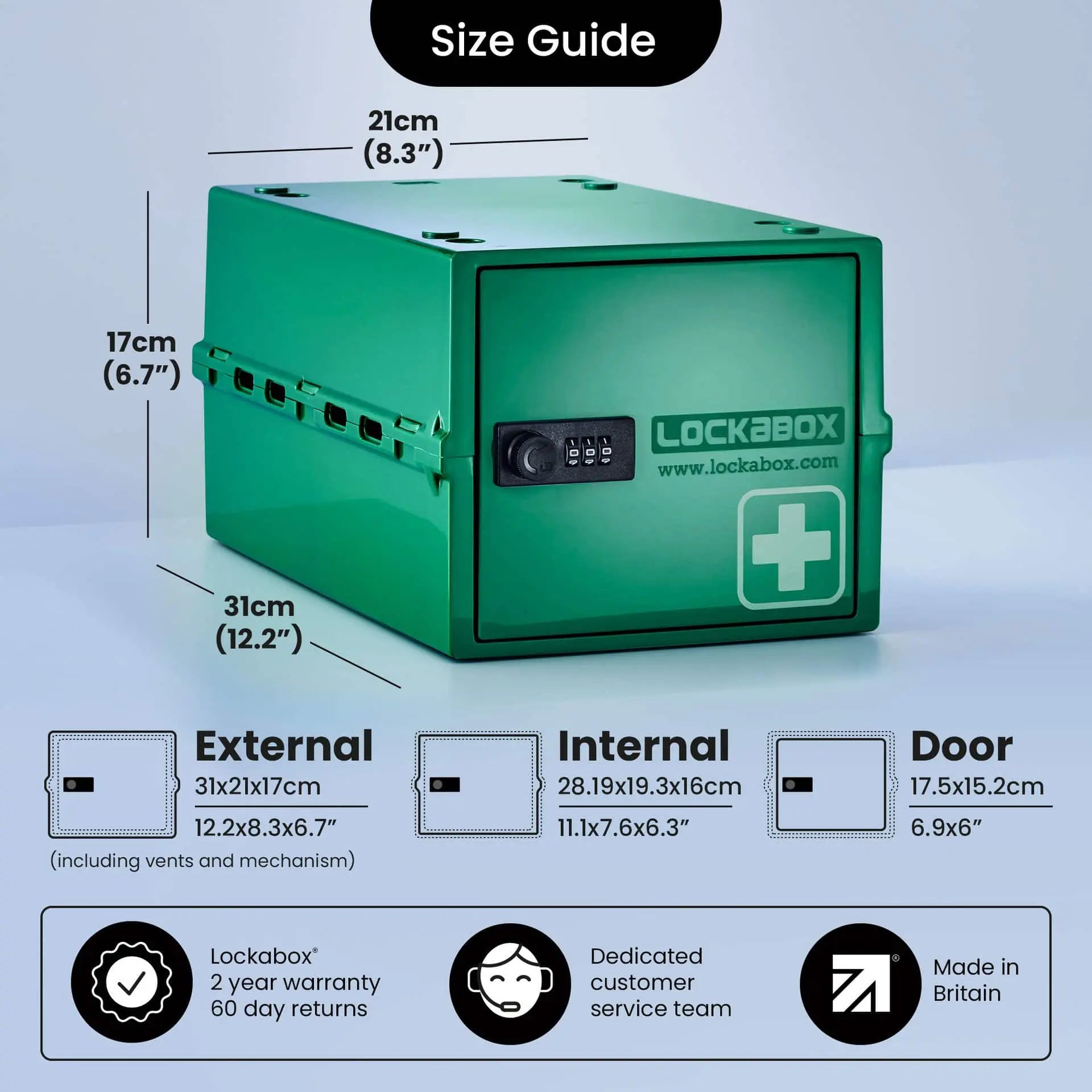
Products such as the Lockabox One are designed to help families implement this structure in a simple, practical way.
What experts say about building better digital habits
BBC Bitesize highlights that lasting change comes from structure, agreement, and consistency at home.
“You could also create a family agreement or device management plan that everyone has their say in, and that you all agree to.”
BBC Bitesize: Smartphone advice
They suggest families agree on:
- Device-free zones in the home
- Set times of day that are device-free (such as meals and bedtime)
- A single shared charging location (such as the kitchen)
- Clear expectations around respectful and balanced phone use
The key insight is simple: everyone in the household must be involved for rules to work effectively.
Why modelling behaviour matters
BBC Bitesize also emphasises that parents and carers play a key role in shaping digital habits:
“Children have likely seen their parents on devices from a young age and will want to have a device of their own to use as their parents and older siblings do.”
Recommended behaviours include:
- Not using phones during conversations
- Putting devices away at set times of day
- Avoiding late-night scrolling
- Charging phones outside bedrooms
Being open about your own habits can also help children understand balance rather than restriction alone.
What to replace screen time with
As psychologist Dr Charlotte Armitage explains:
“When we give up a habit that involves holding something in our hands, we need to replace it with something else that involves our hands too.”
Reducing screen time works best when it is replaced with engaging alternatives such as:
- Board games and family activities, lego is often a favourite!
- Creative hobbies like drawing or modelling clay
- Outdoor play or sports
- Reading or shared learning time
These activities help shift attention away from devices while keeping children mentally and physically engaged.
Why a family phone lock box improves routines
A family phone lock box helps remove friction from daily life by turning rules into a physical system rather than repeated conversations.
It can help:
1. Reduce daily conflict
No repeated arguments over screen time.
2. Improve sleep quality
Phones are kept out of bedrooms and night-time temptation is removed.
3. Increase focus
Homework and study time becomes more productive and less distracted.
4. Build consistency
Clear routines are easier for children to understand and follow.
Aligning home and school for better outcomes
When schools restrict smartphone use during the day and homes reinforce structured use in the evening, children experience consistency rather than contradiction.
- At school: phones are restricted
- At home: phones are intentionally managed
A family phone lock box helps bridge this gap, supporting healthier long-term habits.
Final thoughts: smartphone habits don’t start in school—they start at home
School smartphone bans may improve focus during lessons, but long-term behaviour change depends on what happens outside school hours.
A family phone lock box provides a simple, practical system that helps families:
- reduce screen-time conflict
- improve sleep habits
- support learning and focus
- create healthier digital routines
It is not about removing technology—it is about creating structure around it.
Learn more
👉 Explore Lockabox: https://lockabox.com
👉 Read our full guide: https://lockabox.com/blogs/blog-posts/the-best-mobile-phone-lock-box-for-families-uk-guide