Medical storage in care homes: CQC medication storage requirements explained
CQC medication storage requirements refer to the standards care homes, supported living services, hospices and other healthcare providers must meet to ensure medicines are stored securely, safely and in line with Care Quality Commission expectations.
These requirements form part of wider medicines management guidance and are designed to protect residents from harm, ensure medicines remain effective, and reduce the risk of errors, misuse or unauthorised access.
Secure medical storage is a key focus during CQC inspections, and poor practice in this area is one of the most commonly identified compliance issues. At Lockabox, we work with a number of care homes across the globe, helping to ensure they meet the CQC guidelines with regards to securing medicine securely.
Explore our secure medication storage solutions
An overview on CQC medication storage requirements
CQC expects providers to ensure that:
-
Medicines are stored securely and only accessible to authorised staff
-
Storage conditions maintain medicine safety and effectiveness
-
Controlled drugs are stored, recorded and managed correctly
-
Medication systems reduce risks such as misuse, loss or error
-
Storage practices are consistent across staff and care settings
What are CQC medication storage requirements?
While the CQC does not specify exact storage products or systems, providers are expected to demonstrate that medicines are stored in a way that maintains safety and security.
Medicines must be protected from unauthorised access, environmental damage and misuse. Storage arrangements should ensure they remain in good condition, are clearly organised, and are only handled by trained and authorised staff.
CQC expectations for medicines management and storage
During inspections, the CQC assesses whether medicines are managed safely as part of overall care quality.
Inspectors typically expect to see evidence that:
-
Medicines are securely stored with controlled access
-
Controlled drugs are stored and documented correctly
-
Storage areas are organised, clean and well maintained
-
Temperature-sensitive medicines are monitored appropriately
-
Expired or discontinued medicines are removed from use promptly
-
Staff consistently follow medicines management procedures
A key focus is that there is strong consistency across staff, shifts and multiple care locations.
Read about how we helped Rowanbrook Care Home improve their medical storage solutions in our case study.
How Lockabox supports CQC medication storage requirements
While the CQC does not mandate specific storage products, providers must demonstrate that medicines are stored securely, consistently and in a way that reduces risk. This is where practical, well-designed medical storage solutions can support day-to-day compliance.
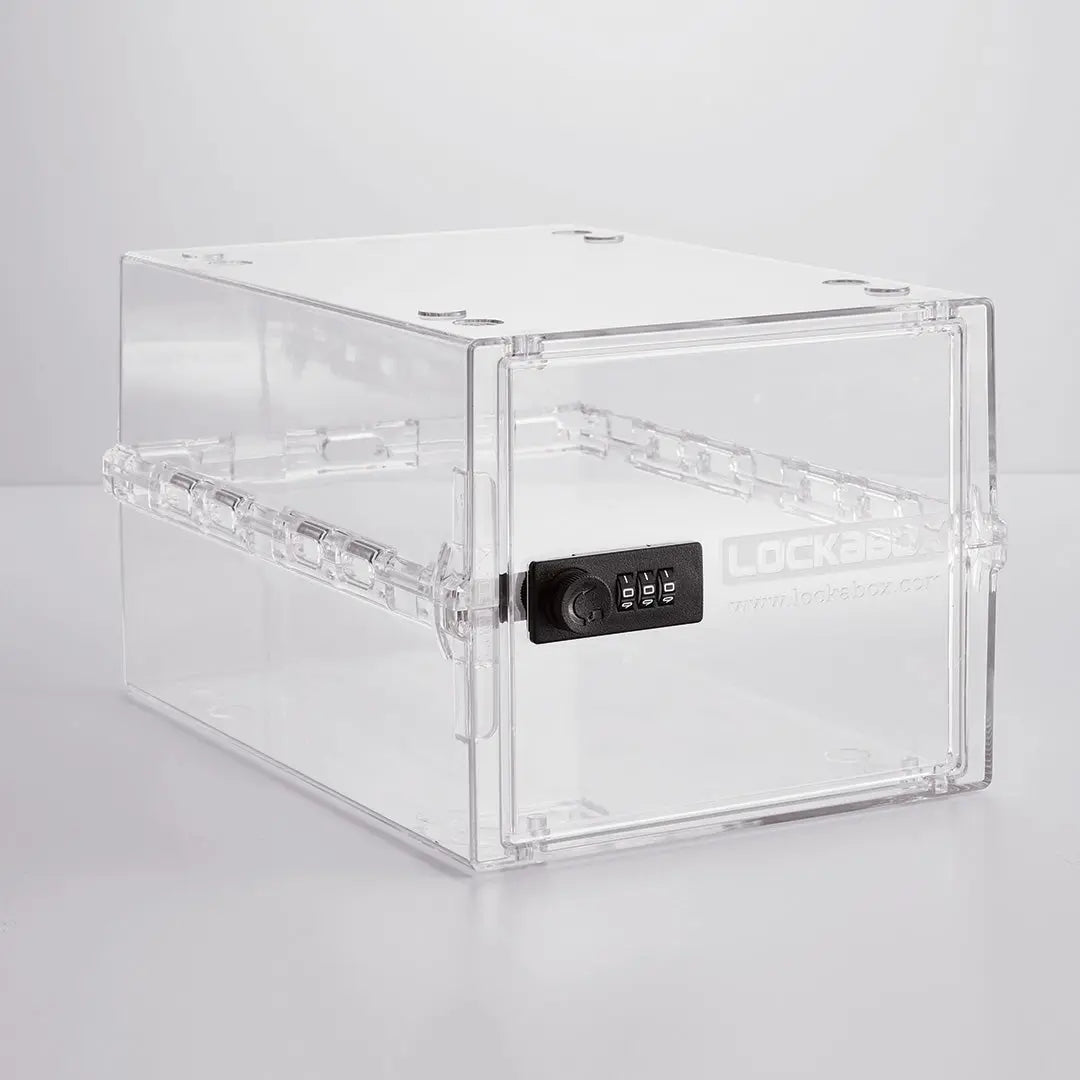
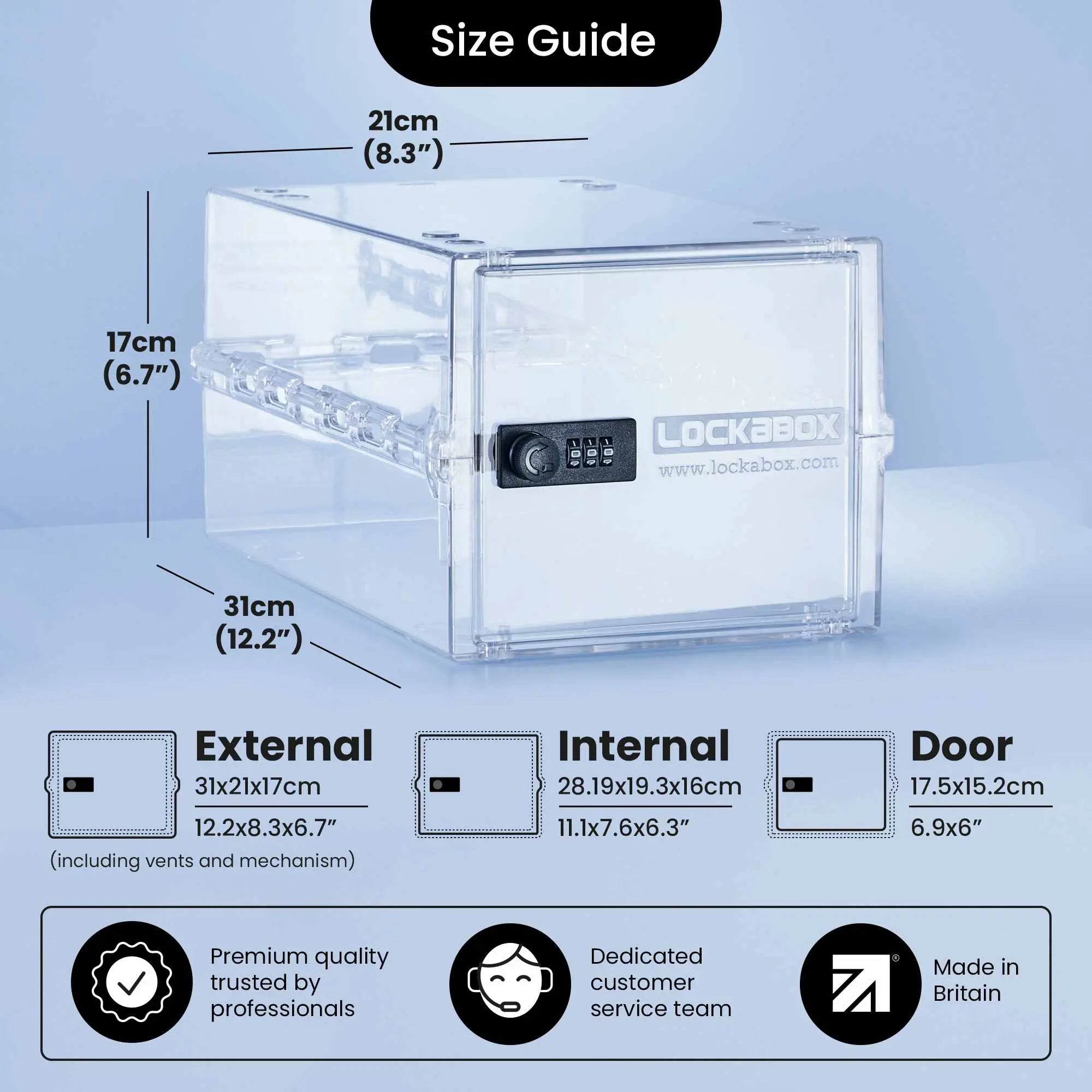
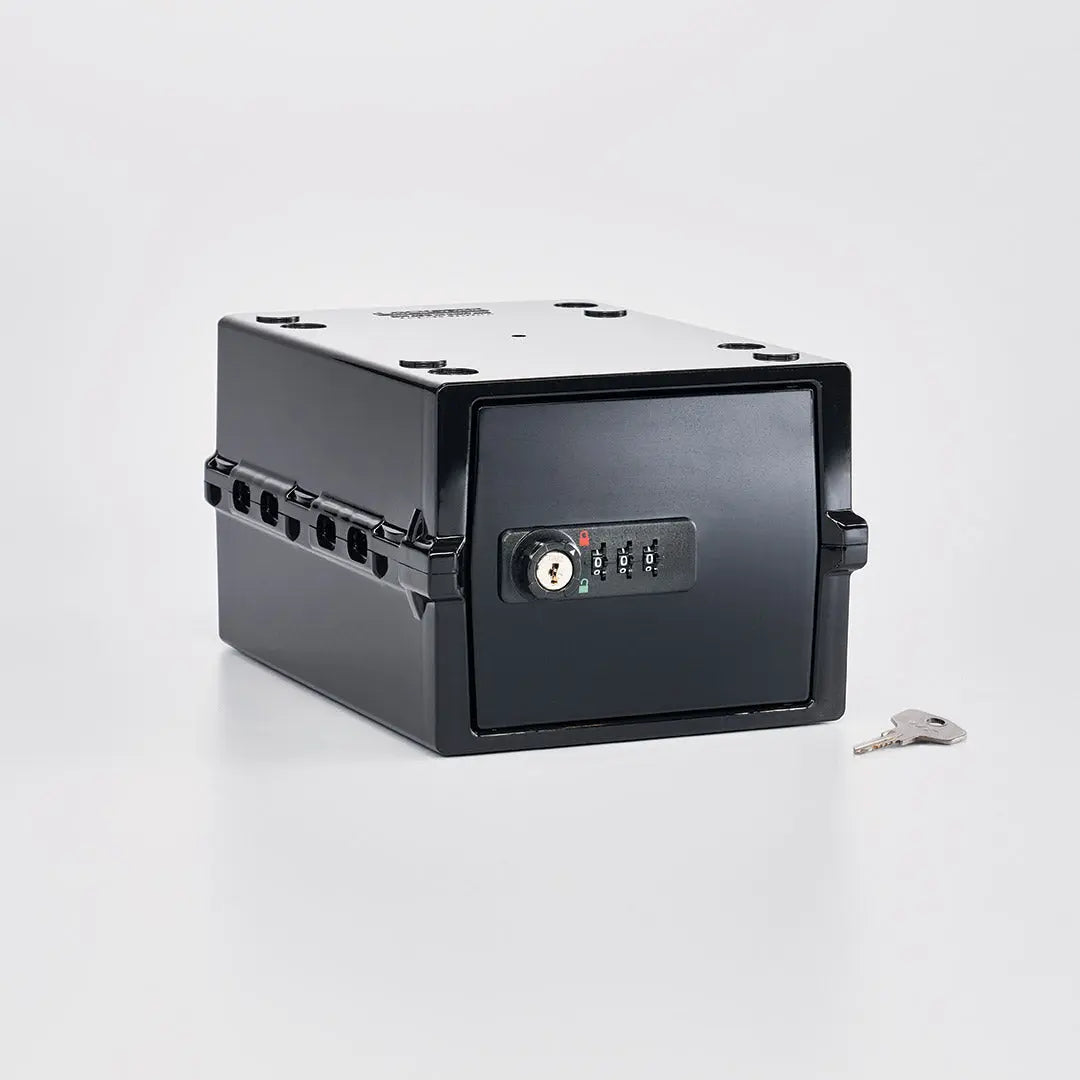
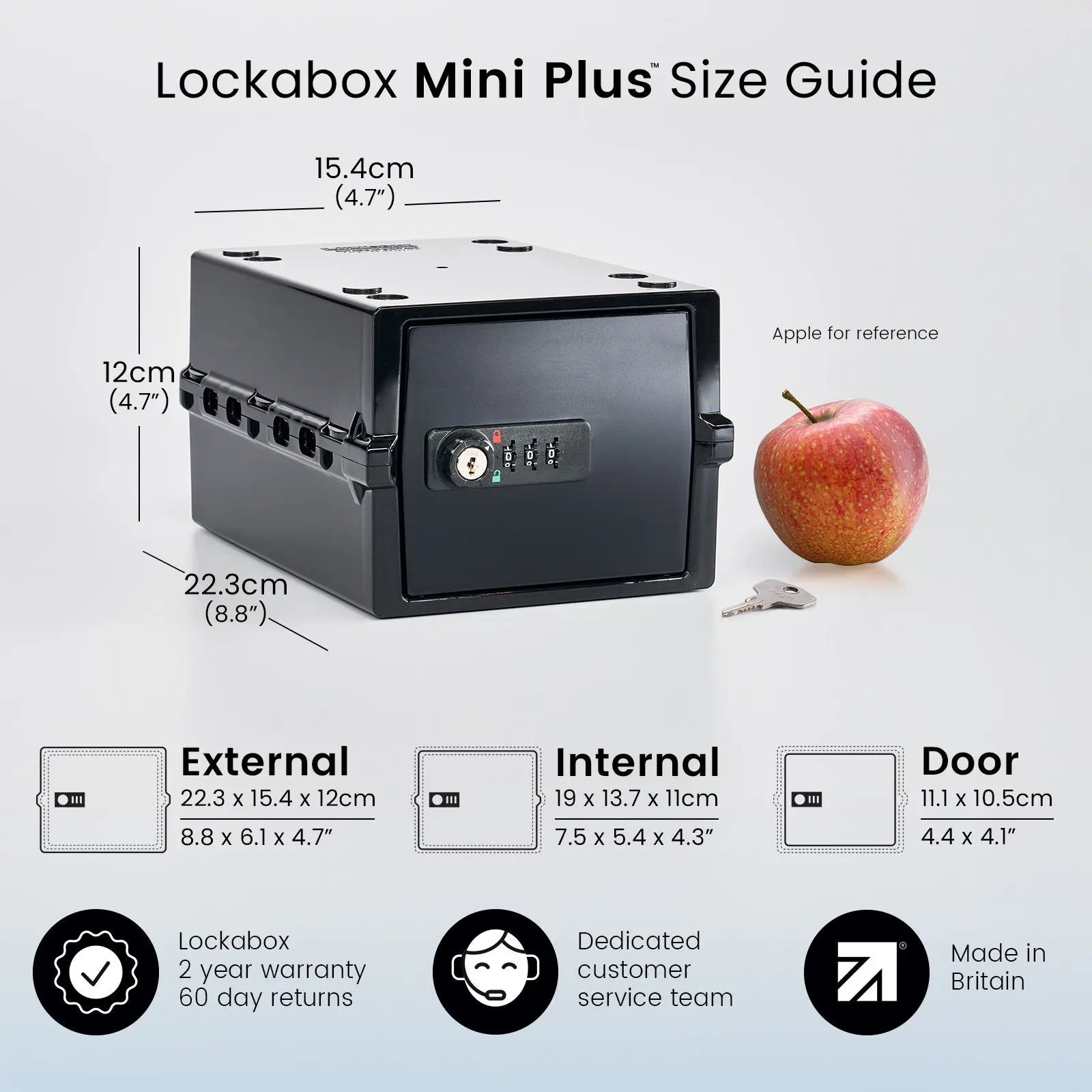
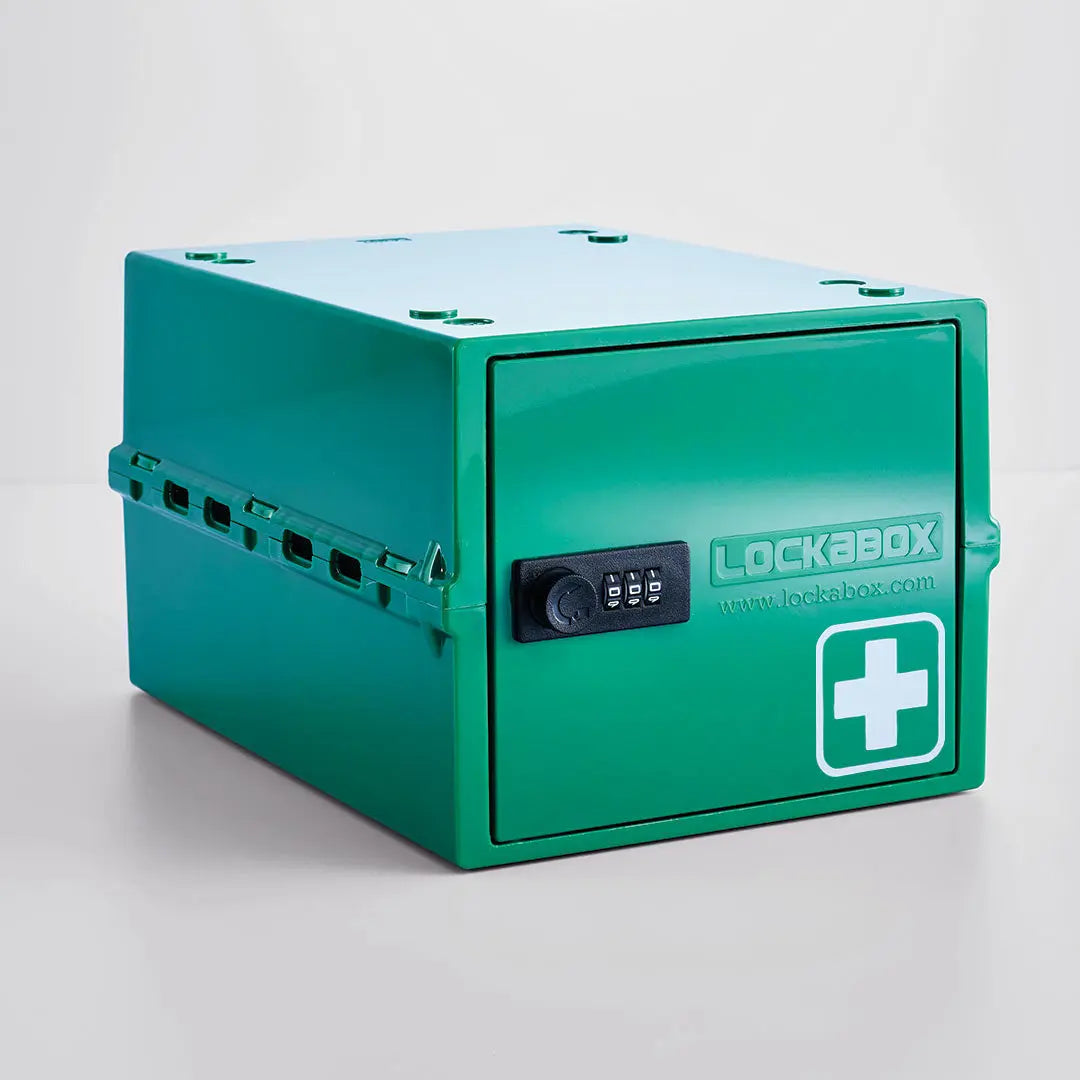
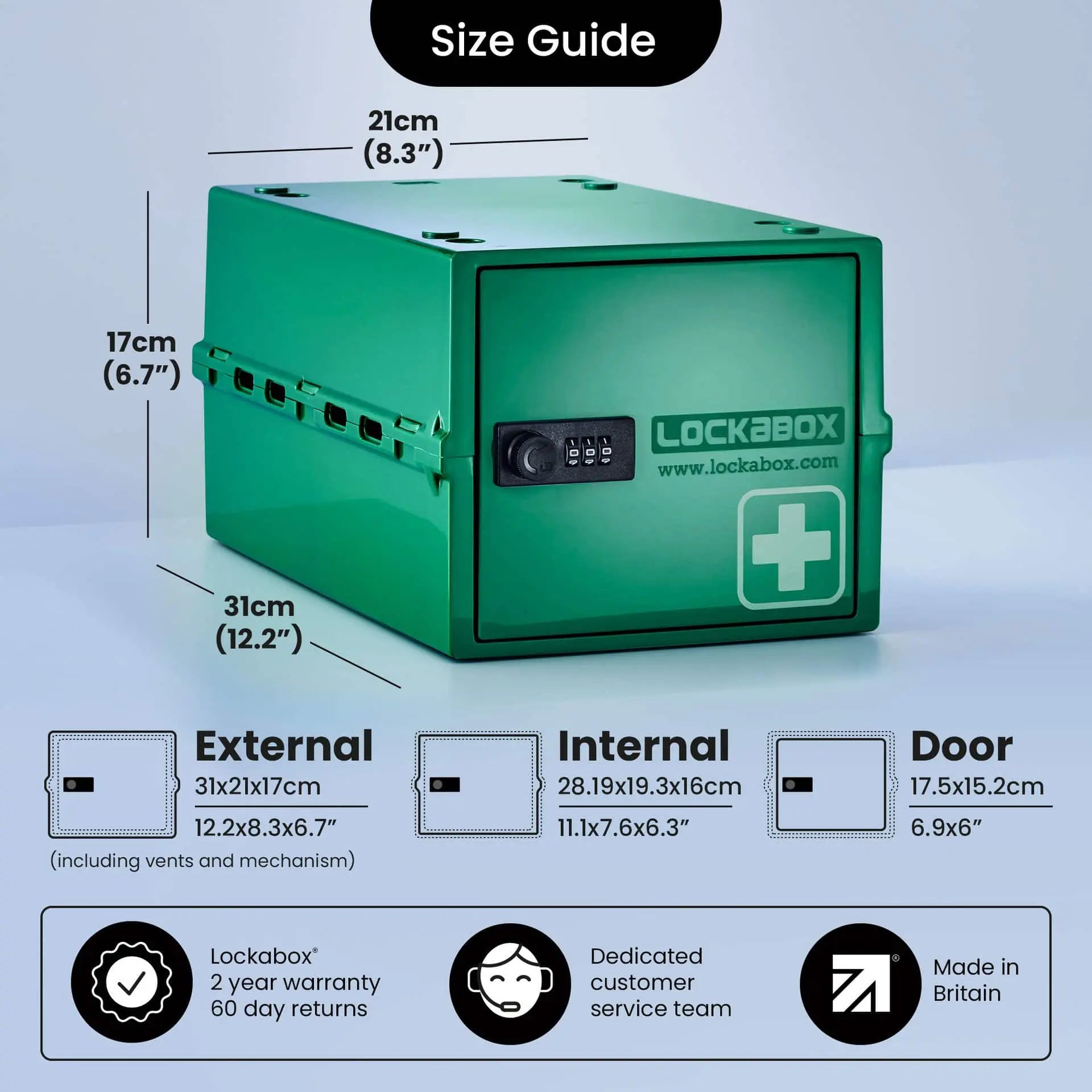
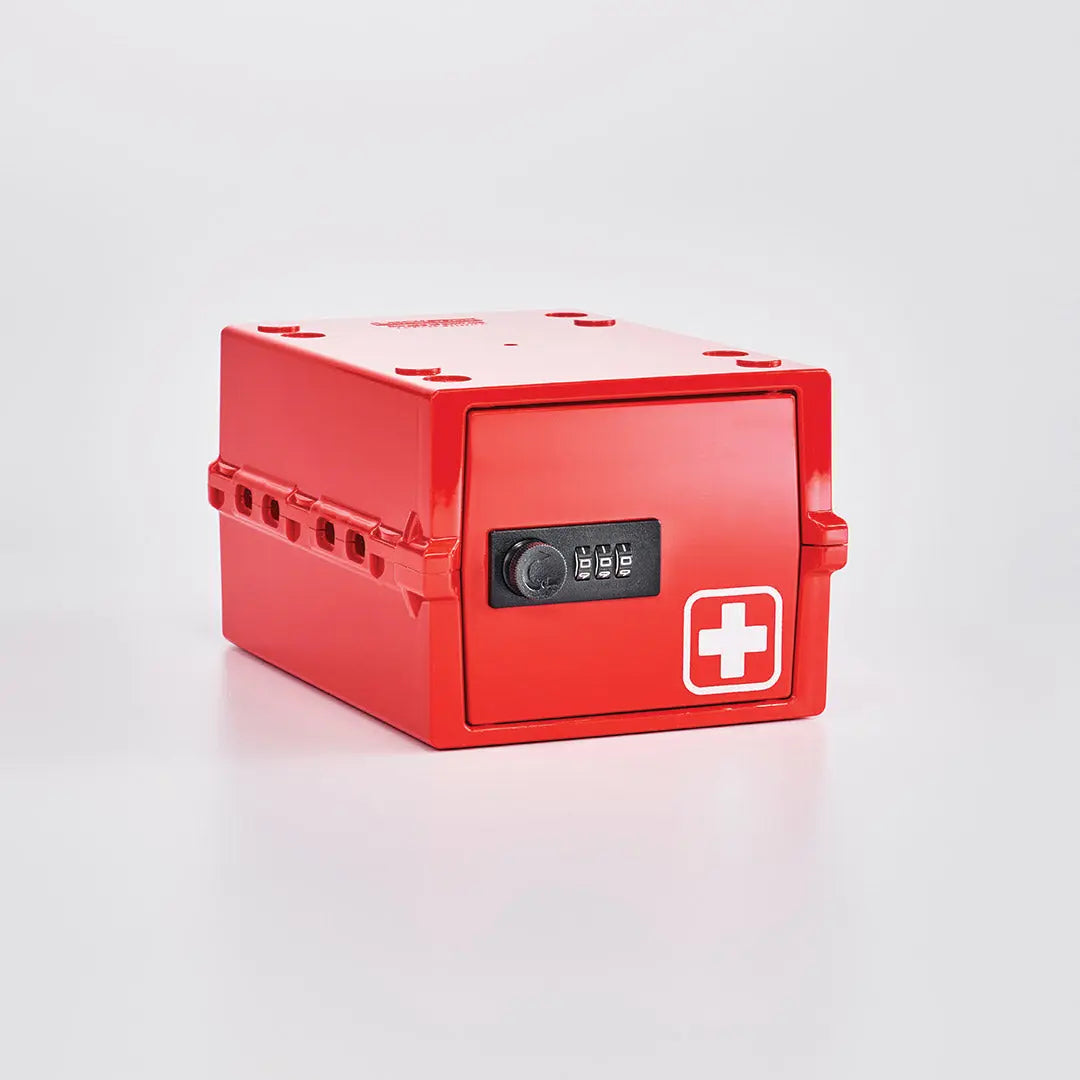
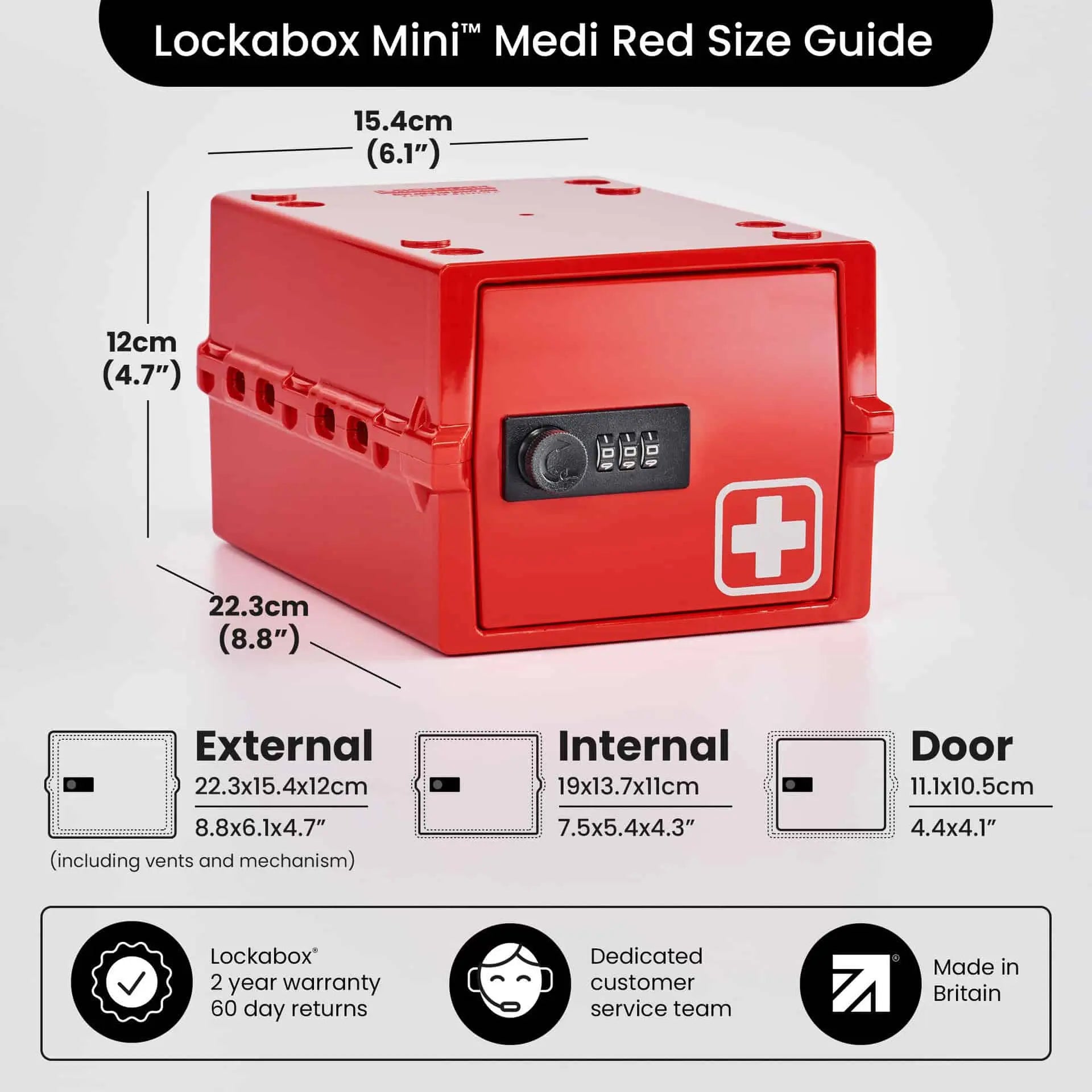
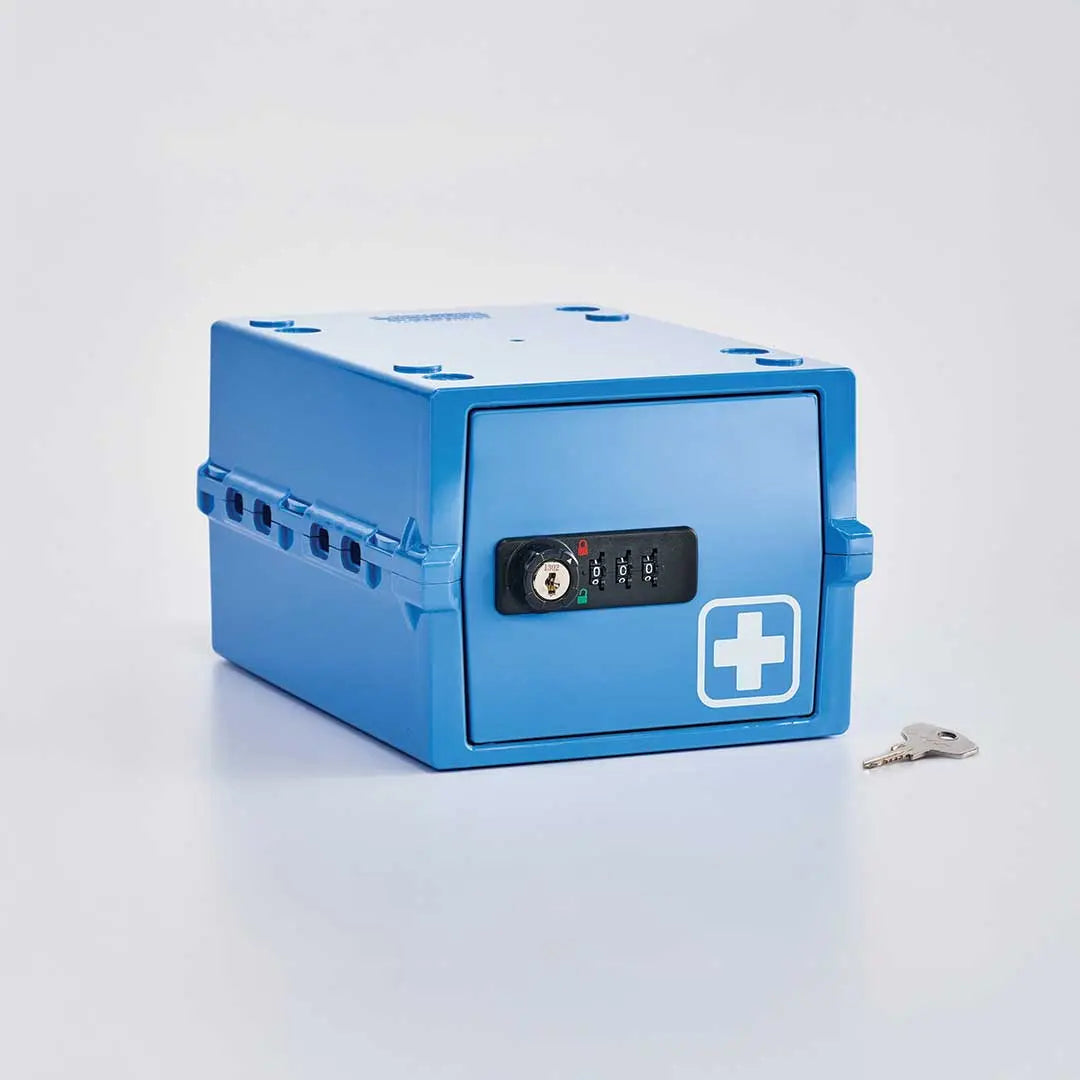
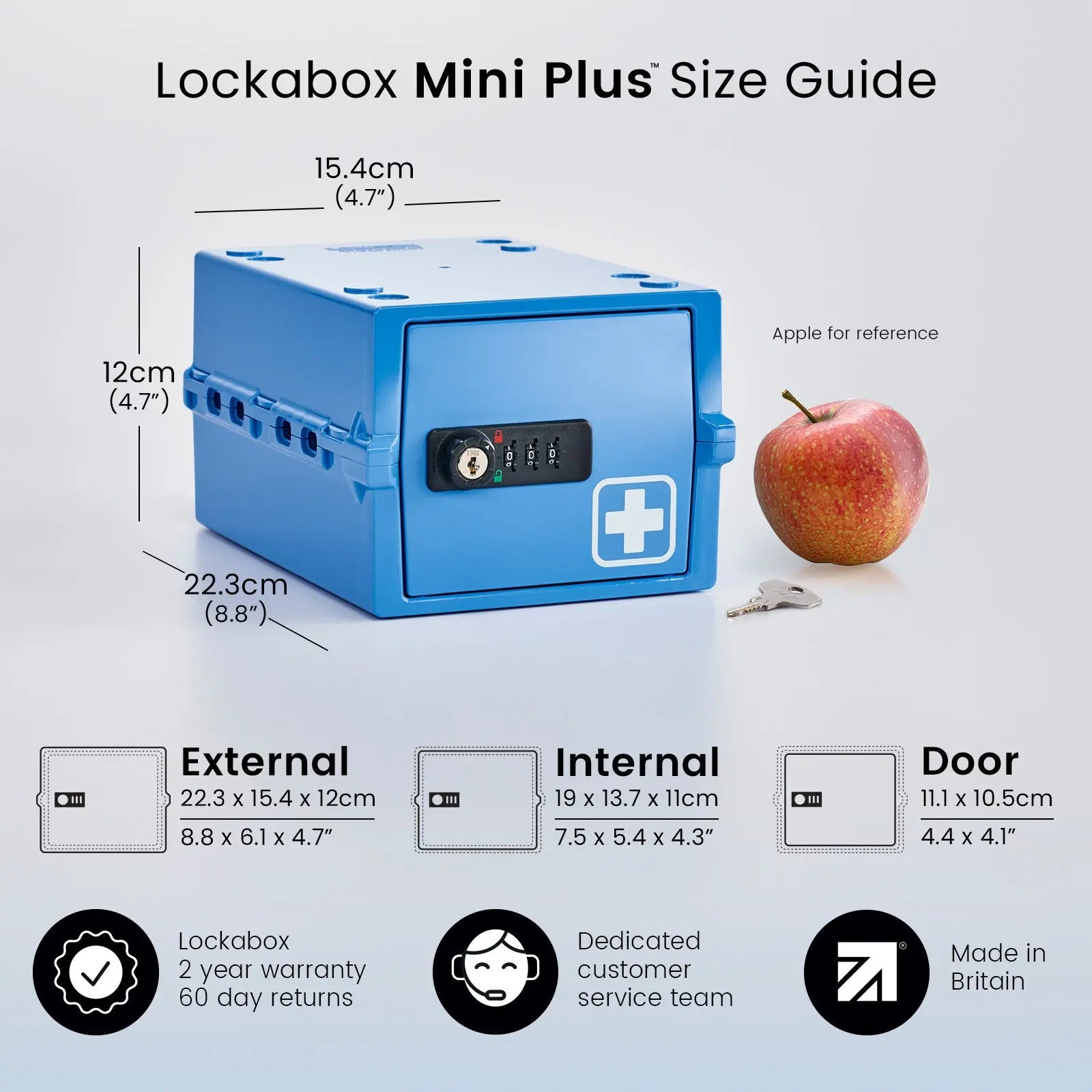
Lockabox provides a secure, lockable storage option that helps care providers strengthen medicine management across a wide range of environments. It is commonly used in care homes, supported living services and healthcare settings to support safer medication routines, particularly where multiple staff or shared spaces are involved.
By introducing a clearly defined, lockable storage point for medicines, care supplies and sensitive items, providers can reduce variation in practice and improve consistency across shifts and teams.
In busy care environments, medicines may otherwise be temporarily stored in accessible or communal areas during daily routines. A dedicated secure storage solution helps reduce this risk while supporting more structured and accountable working practices.
Lockabox can be deployed immediately without installation or disruption, making it suitable for live care environments. It also supports multi-site organisations by enabling a consistent approach to secure storage across different locations.
At Lockabox we work with a breadth of care home providers to help provide solutions to improve medication storage.
Explore our range of medication storage solutions suitable for your business.
How care homes can improve medication storage practices
-
Storage systems must balance compliance with practicality
Shifts are busy, and staff are often working under time pressure managing multiple responsibilities across shifts. The most effective systems are those that are simple, clearly defined and easy to use consistently. Dedicated secure storage points help reduce variation in practice, improve handovers between staff and support clearer accountability for medicines management.
-
Reduce risk in shared care environments
Care homes and supported living services often include shared spaces accessed by residents, staff, visitors and external healthcare professionals. Without clear systems in place, medicines or care supplies may be temporarily left unattended during daily routines, increasing the risk of unauthorised access or handling errors.
Introducing secure, clearly designated storage locations helps reduce this risk and supports safer, more consistent working practices across all care settings.
-
Supporting safer and more consistent medication practices
The effectiveness of medication storage depends heavily on consistency of use.
When staff have access to secure, intuitive storage, it becomes easier to maintain good practice throughout daily routines and shift changes. This in turn supports safer medication handling, clearer accountability and more reliable medicines management.
At Lockabox we improve medication storage in care homes with a practical solution
Meeting CQC medication storage requirements depends on having systems that are both compliant and workable in everyday care environments. At Lockabox we offer a simple, secure storage option that supports providers in strengthening medication safety, improving consistency across teams and enhancing inspection readiness.
Explore secure medical storage solutions for care home environments