Screen time, phone addiction & mental health: What UK research reveals — and how Lockabox helps to build healthier tech habits
Smartphones have become part of everyday life – they help us stay connected, support learning, and make work more flexible than ever. But growing UK research shows that excessive screen time and problematic phone use are increasingly impacting mental health, sleep, and emotional wellbeing — especially for children and teenagers.
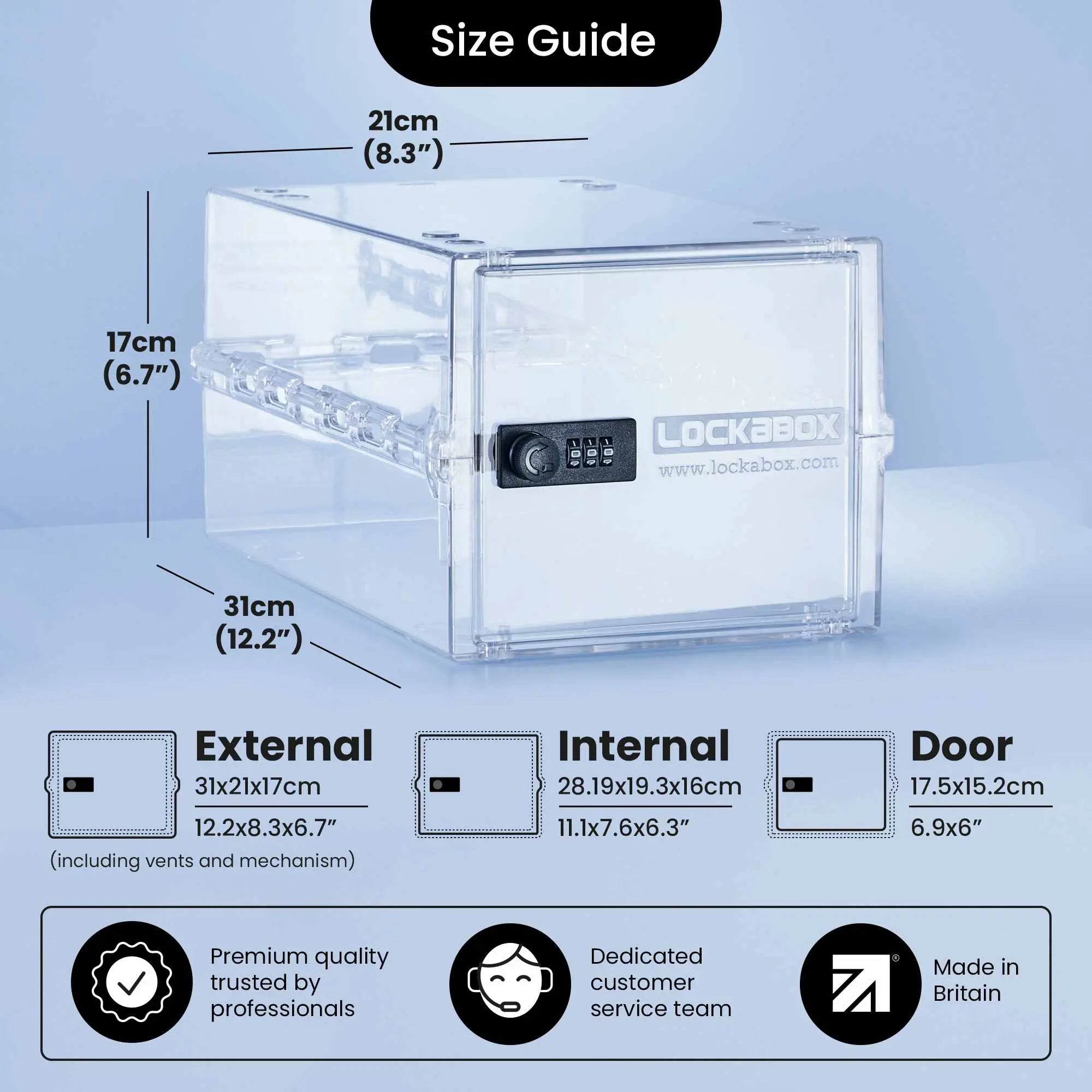
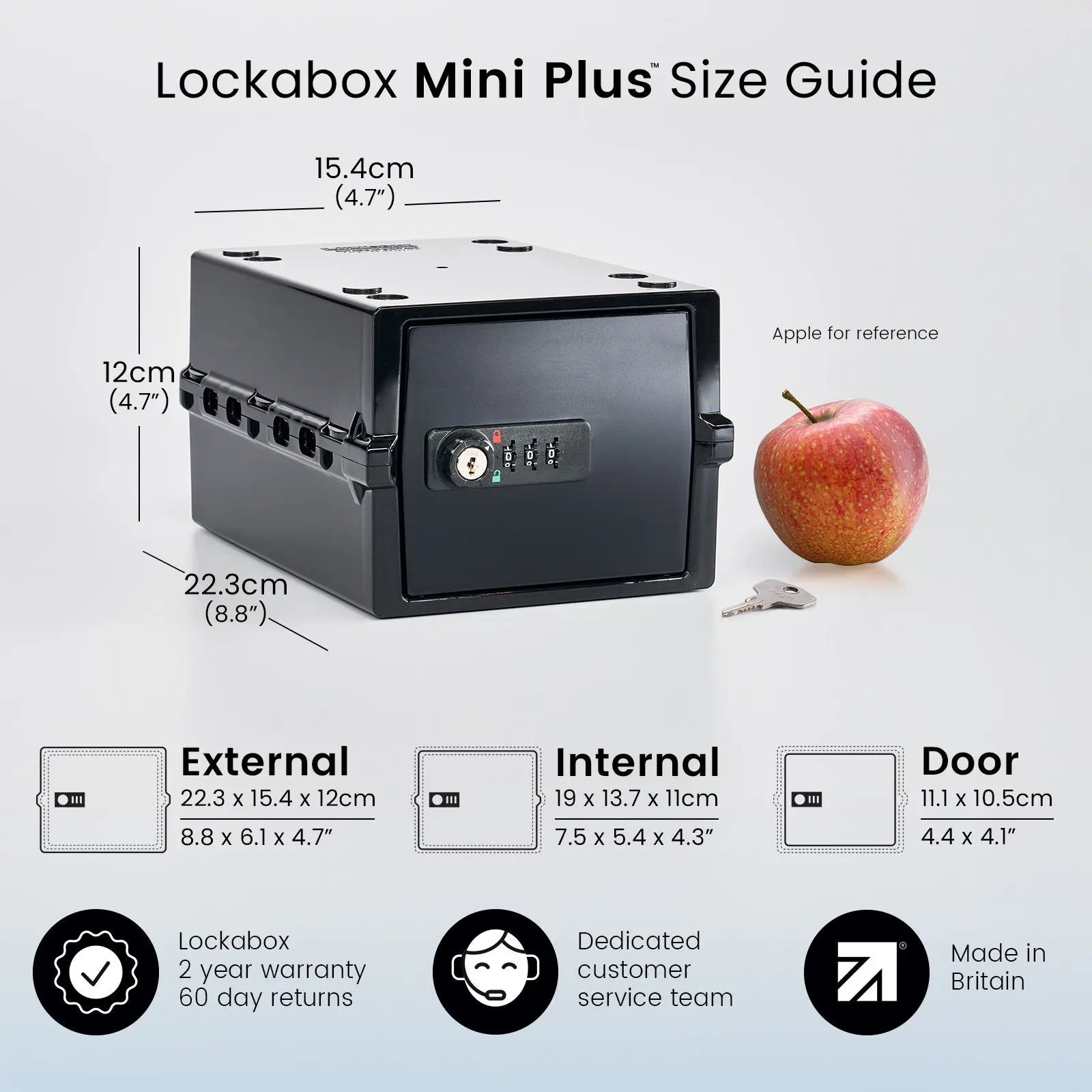
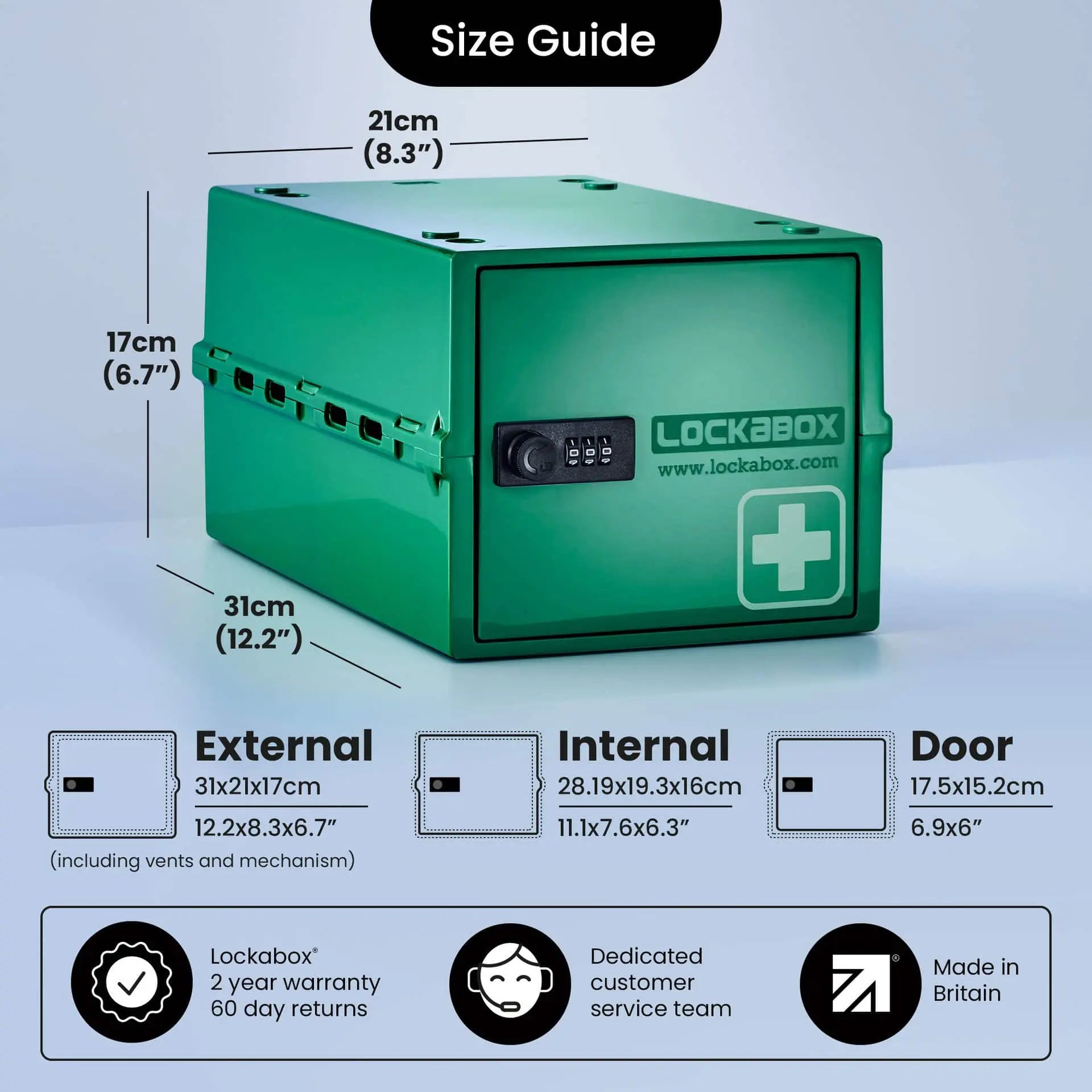
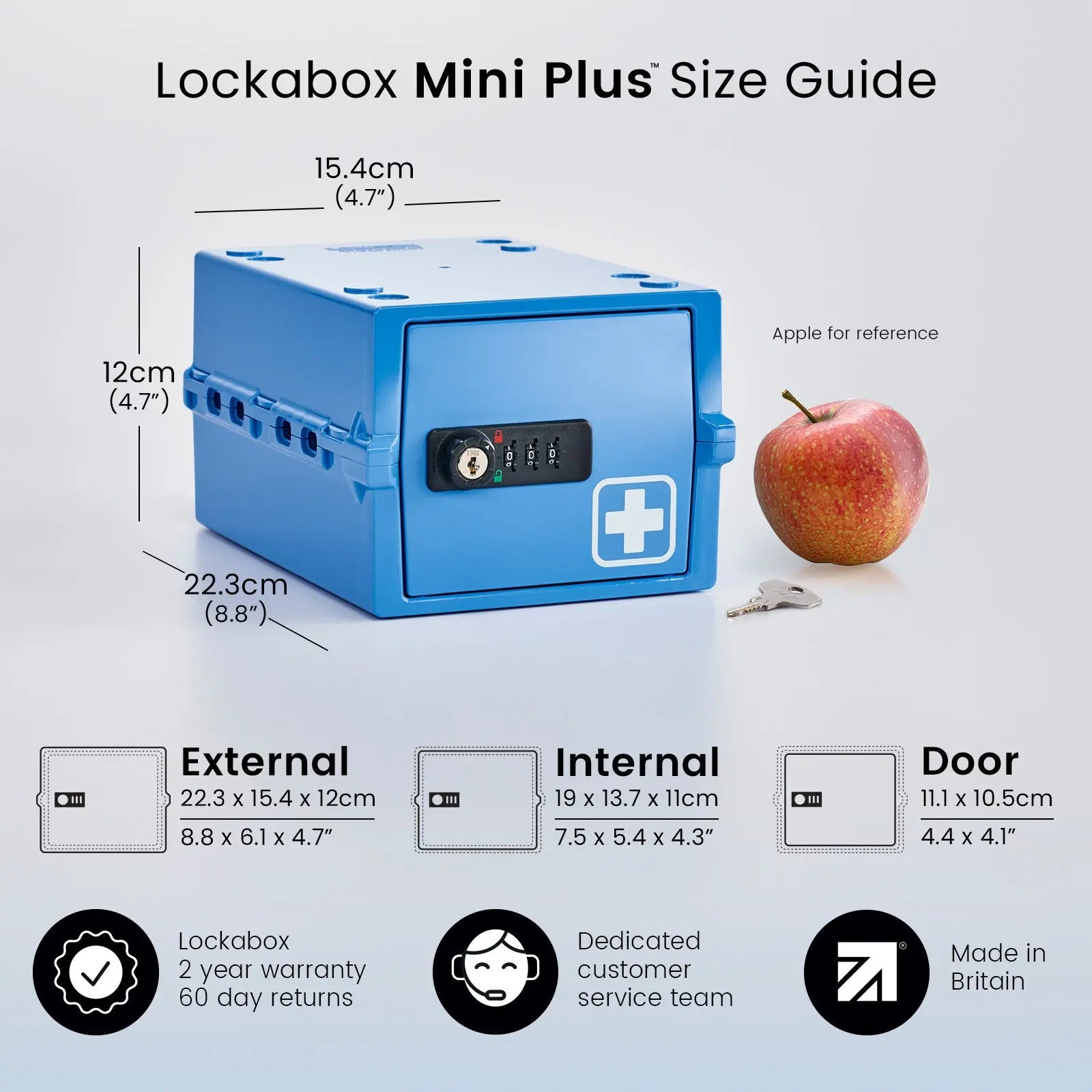
At Lockabox, we work with families, schools, and workplaces to support healthier tech habits through simple and secure lockable phone storage solutions. By creating physical boundaries around device use, our products help to reduce digital distractions, ease phone addiction, and encourage better balance — all without confrontation or constant monitoring.
In this article, we explore what current UK research reveals about screen time and phone addiction, how it affects children, teens and adults, and how Lockabox provides practical, low-conflict solutions through the use of secure lockable phone storage to help manage device use.

Why screen time and phone addiction are major concerns in the UK
Smartphone ownership in the UK is now almost universal. Over 90% of teenagers own a smartphone, and many children receive their first device before the age of eight. Adults, meanwhile, spend an average of more than seven hours a day interacting with screens.
While screens offer many benefits, researchers and mental health professionals are increasingly concerned about compulsive phone use, emotional dependence on devices, and the rise of digital addiction. What’s especially important is that it’s not simply the number of hours spent on screens that matters most — it’s how we use them.
Research suggests that addictive patterns of smartphone use, such as constant checking, scrolling, and emotional reliance, are far more strongly linked to negative mental health outcomes than screen time alone.
What UK research tells us about phone addiction
The Benefits of Lockable Phone Storage
A major UK study into adolescent mental health found that addictive smartphone behaviour — rather than total screen hours — was the strongest predictor of anxiety, depression, and emotional distress. Teenagers who struggled to control their phone use were significantly more likely to experience mental health difficulties in daily life.
According to a recent UK Parliament report on screen time and wellbeing, excessive smartphone use can affect children’s learning and mental health, highlighting the importance of implementing practical limits and safe storage solutions.
This is a crucial insight. It shows that simply setting time limits often isn’t enough. Real change comes from breaking compulsive habits and rebuilding healthy boundaries. That’s where physical phone separation tools, like Lockabox, can make a powerful difference.
How excessive screen time and phone addiction affect children, teens and adults
Mental health and emotional wellbeing
UK research consistently links problematic phone use in young people with higher levels of anxiety, depressive symptoms, emotional dysregulation, and stress. Many teenagers now turn to their phones as a primary way to cope with difficult emotions, which can limit their ability to develop healthy offline coping strategies and build strong family and peer relationships.
Sleep disruption and learning
Late-night screen use disrupts melatonin production, making it harder to fall asleep and stay asleep. This leads to poorer sleep quality, reduced concentration, and lower academic performance. Studies show that simply removing phones from bedrooms can significantly improve sleep — one of the most evidence-backed wellbeing strategies for children and teenagers.
Research has shown that smartphone addiction is linked to poor sleep quality and higher stress levels, emphasising why physical storage solutions like lockable phone boxes can help reduce screen dependency.
Loss of control and behavioural addiction
Many UK-based school studies reveal that teenagers often feel anxious when separated from their phone, struggle to stop scrolling, and use screens to escape negative emotions. These behaviours closely resemble recognised addiction patterns, reinforcing the need for practical, supportive interventions like lockable phone storage solutions.
The impact on adults
Phone dependency isn’t limited to young people. Research into workplace wellbeing shows that adults increasingly experience compulsive checking, blurred work-life boundaries, constant notifications, sleep disruption, and burnout. Without clear boundaries, smartphones can quietly erode focus, rest, and emotional balance.
Why physical phone separation works better than apps alone
App-based controls and screen time limits often rely heavily on willpower — and in moments of stress or emotional impulse, those digital barriers can be easily overridden. Research shows that introducing physical barriers, such as lockable phone storage, dramatically reduces impulsive behaviour and helps reset habits more effectively.
Lockabox uses secure lockable phone storage systems to create intentional breaks from devices, reducing compulsive checking and supporting emotional regulation. This small physical step often leads to surprisingly big behavioural change.
How Lockabox supports healthier screen habits
Lockabox designs simple and secure lockable phone storage boxes for families, schools, workplaces, and individuals. Our products help create clear, supportive boundaries around device use — without conflict.
For families, Lockabox encourages phone-free bedrooms, focused homework sessions, screen-free mealtimes, and reduced bedtime scrolling. For teenagers and students, this supports improved concentration, better study habits, and lower anxiety from constant notifications.
In adult life and workplaces, Lockabox helps restore work-life balance, reduce burnout, improve concentration, and encourage restful, screen-free downtime in the evenings.
Why Lockabox is trusted worldwide
Lockabox products are trusted by parents, schools, universities, hospitals, care homes and corporate wellbeing teams around the world. Unlike app-based solutions, Lockabox creates a physical pause — giving the brain time to reset and help people rebuild healthier relationships with technology.
Building healthier digital habits starts with boundaries
Technology should enhance life, not control it. UK research clearly shows that problematic and addictive phone use can negatively impact mental health, sleep, learning, and emotional wellbeing at every age. By introducing simple physical boundaries using lockable phone storage boxes, families and individuals can reduce compulsive screen time, improve sleep, lower anxiety, strengthen focus, and build long-term healthy tech habits.
👉 Explore our lockable phone storage products and take the first step toward healthier digital balance.